
Fiat Grande Panda Electric (2026) Review: The Cheapest New EV Worth Buying
Written by: Motorwatch
Published on April 27, 2026 - 5 mins
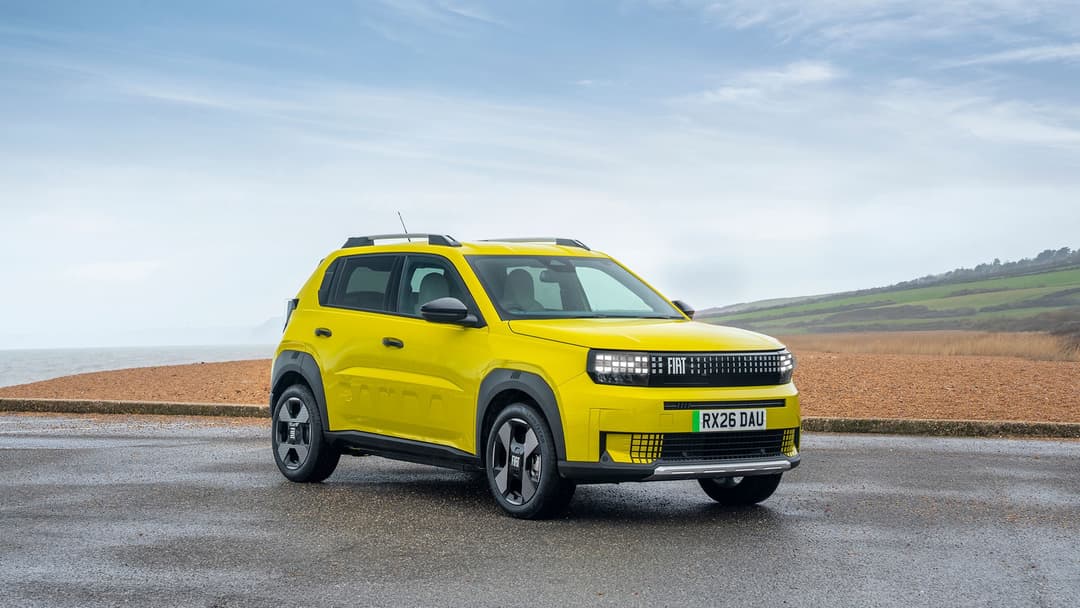
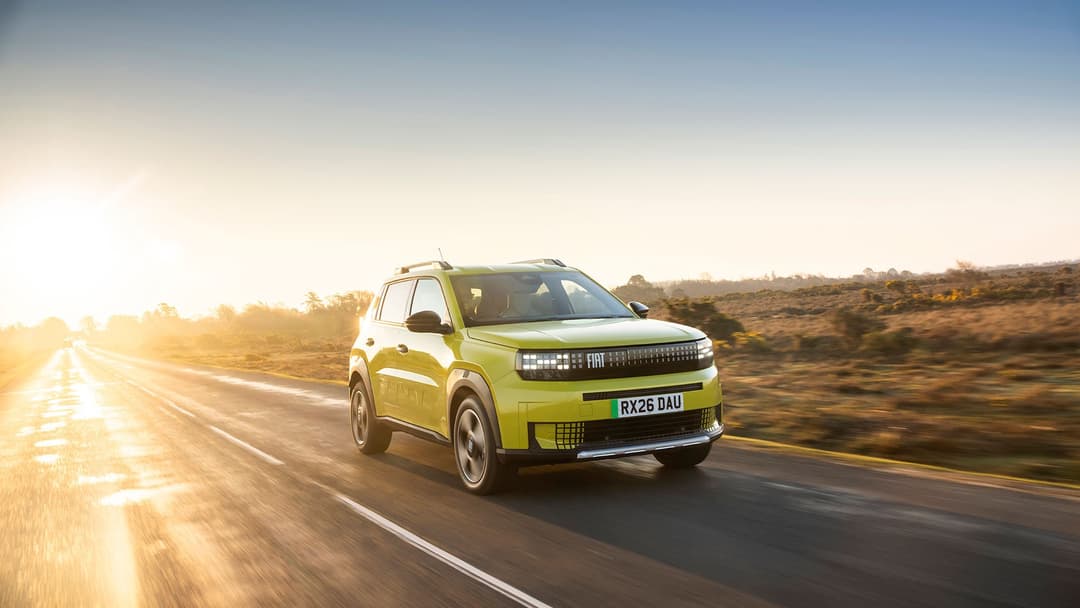
At £20,975 the Fiat Grande Panda Electric undercuts the Renault 5 E-Tech by around £3,000, the Citroën ë-C3 by over a thousand, and virtually everything else with a plug by varying degrees. That price is not its only trick — it's genuinely good to look at, practical enough for daily life, and fast enough at a public charger to not ruin a shopping trip. The catch is real-world range of around 105 miles, which is a number to sit with before signing anything.
Overview
Fiat hasn't called anything Panda since 2023, so this one arrives carrying some weight. The Grande Panda is built on Stellantis's Smart Car platform — the same bones as the Citroën ë-C3 and Vauxhall Frontera Electric — stretched to just under four metres and given a roofline that's 15cm taller than the old Panda it notionally replaces. Three trim levels cover the range: Pop at £20,975, Icon at £21,995, and La Prima at £23,975, with a Red variant tucked in between. All use the same 83kW motor and 44kWh battery. If you want the name without the plug, a hybrid version starts at £18,195.
Exterior Design — 4.5/5
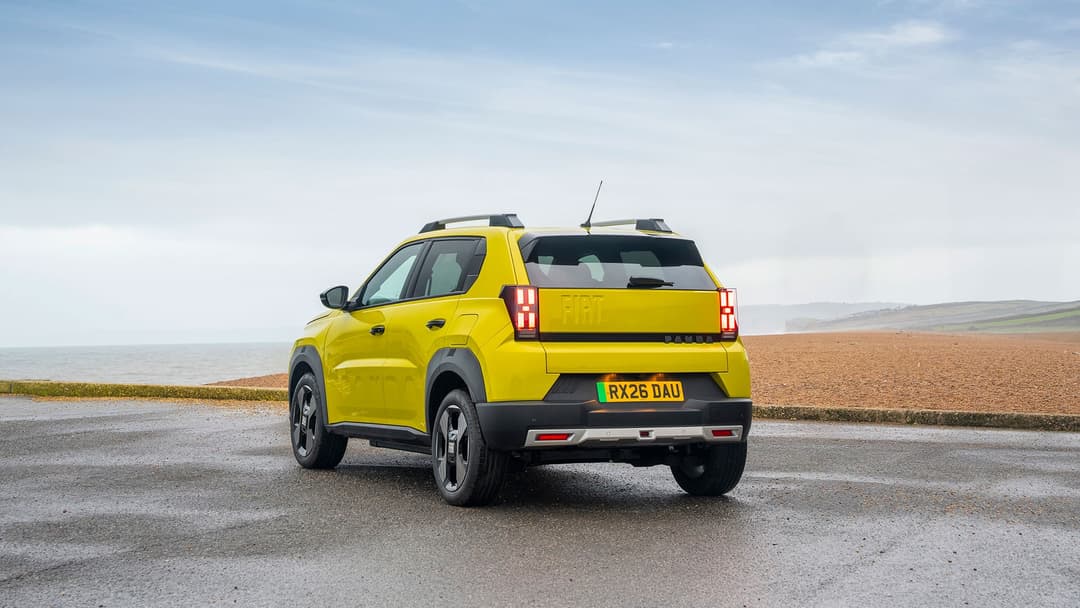
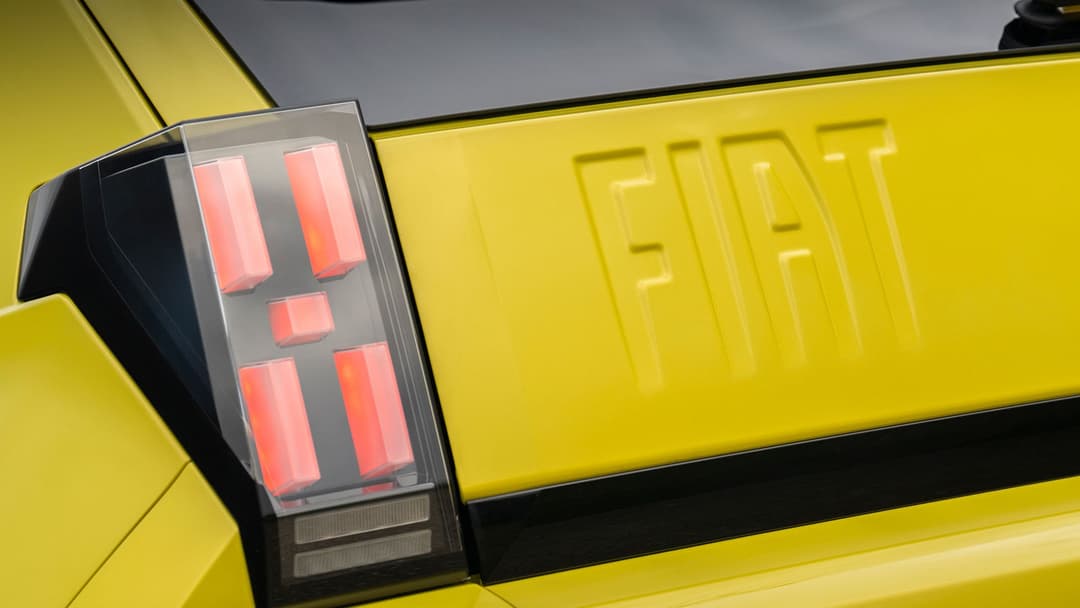
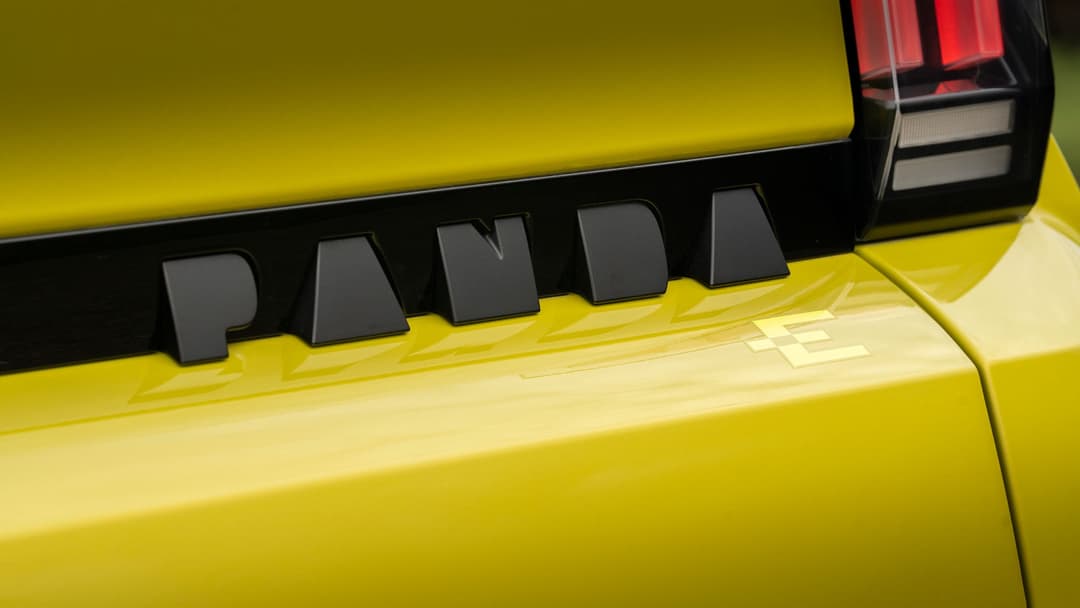
The design earns its score without much argument. Fiat's designers went boxy and upright, gave it prominent wheel arches, an optional two-tone roof, and a face that clearly references the 1980s original without turning it into a museum piece. The X-shaped daytime running lights are a strong visual signature; the overall proportions work better in person than in photographs. At 3,999mm it sits in the small car segment but reads as bigger on the road — partly the height (up to 1,629mm), partly the confidence of the stance. Against the ë-C3 it shares its platform with, the Grande Panda looks like the one that had the better brief.
Interior & Comfort — 3.5/5
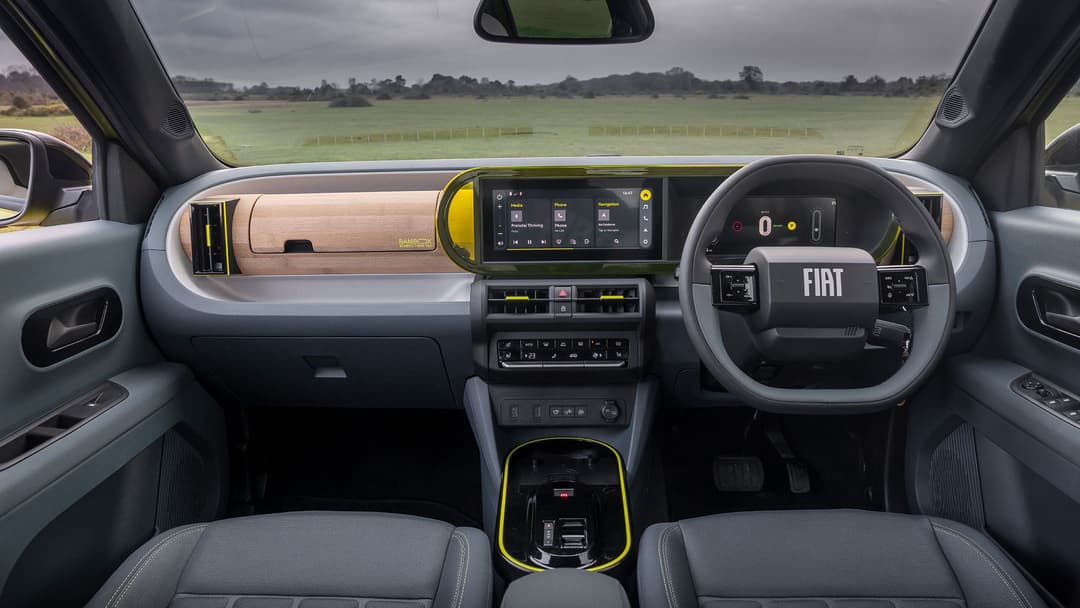
The first thing you notice is the storage. Over 14 litres of interior cubbies, door pockets that actually fit a bottle, a central tray that's genuinely usable — it's been thought about. The La Prima gets a bamboo strip across the dashboard and door panels made from recycled drinks cartons; it sounds like a press release but looks smart in practice. On Pop and Icon the surfaces are harder plastics, though assembled without any obvious corners cut.
Front seats are well-shaped and comfortable on longer runs. The rear is the compromise: two adults fit, but anyone over six feet will be negotiating with the seat in front. Boot space is 361 litres, which beats the Renault 5 E-Tech's 326 litres — though the Renault 5 counters with a front storage compartment the Panda doesn't offer.
The 10.25-inch touchscreen sits at a sensible height and is clear enough in direct sunlight. It lags occasionally, and some settings require more menu-diving than they should. Wireless Apple CarPlay and Android Auto come from Icon trim. Physical buttons for temperature and volume remain — a small but meaningful decision that some rivals have quietly abandoned.
Driving Experience — 3.5/5
Around town the Grande Panda is easy company. Light steering, a naturally upright seating position that gives good sightlines, a turning circle that makes city parking straightforward. It doesn't feel heavy despite the 1,532kg kerb weight — until you push into a faster corner, at which point the mass makes itself known through some body roll and an early request to slow down.
Motorway cruising is fine at legal speeds, but wind noise builds noticeably above 65mph — more than the Renault 5 at the same pace. The ride absorbs urban potholes without drama, which is where most of these cars spend most of their time. It won't excite anyone, but it won't wear them out either.
Engine & Performance — 3/5
The 83kW (111bhp) motor is adequate rather than brisk. Zero to 62mph takes 11.0–11.5 seconds depending on trim, which is the slowest time in the class by a meaningful margin — the Renault 5 120bhp manages it in 9.0 seconds, and the difference is felt when pulling onto a dual carriageway. Top speed is 82mph, which is enough for UK roads but leaves no reserve.
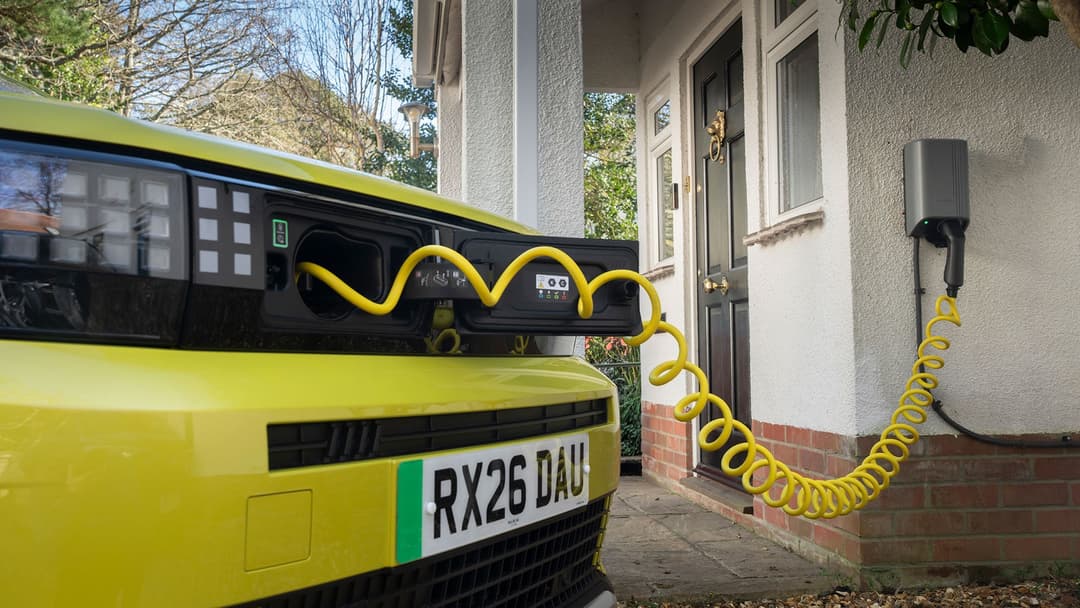
Where the powertrain impresses is charging. DC fast charging peaks at 100kW, taking the 44kWh battery from 20 to 80 per cent in under 30 minutes — unusually quick for this class. Standard AC charging runs at 7kW; 11kW is an option and worth adding if you have a compatible home wallbox.
The WLTP range of 199 miles is the figure Fiat uses in its marketing. Real-world driving returns around 105 miles at roughly 2.4 miles per kWh. The Renault 5 E-Tech, with the same size battery, manages around 140 miles in equivalent conditions. That 35-mile gap is the single most important number in this review.
Technology & Infotainment — 3.5/5
The 10.25-inch screen handles navigation, media, and climate without issue. Wireless smartphone mirroring works reliably; DAB and online radio are both present. Over-the-air updates are supported, so the software can be improved without a dealer visit. The voice assistant is inconsistently useful — it handles basic requests and ignores more specific ones.
What the system doesn't do is feel premium. Response times are noticeable rather than instant, and the menu logic takes a few days to become intuitive. For a sub-£25,000 car this is broadly forgivable; against a Renault 5 at a similar price the gap in polish is real.
Running Costs & Efficiency — 3.5/5
Road tax: zero. Insurance: groups 18–21 across the range. Service intervals: every two years or 20,000 miles. Fiat's standard warranty is two years with extension options available.
The efficiency numbers are harder to like. At 65p/kWh on a public rapid charger, filling from near-empty to full costs around £27 and buys you approximately 105 miles. That's roughly 26p per mile — competitive with petrol but not the dramatic saving some buyers expect. On a home tariff at off-peak rates the maths improves considerably; this car rewards buyers who can charge at home overnight.
Track Fiat Grande Panda Electric prices across UK dealers with the Motorwatch browser extension — dealer pricing on new EVs tends to move quickly in the first few months.
Safety — 3.5/5
Active emergency braking, lane-keeping assist, speed-sign recognition, driver attention monitoring, and rear parking sensors are standard on every trim. La Prima adds a rear-view camera and front parking sensors. The kit list is thorough.
The gap: Euro NCAP hasn't tested the Grande Panda yet. Without a crash test result it can't be compared directly to rivals with five-star ratings, and for some buyers — particularly those choosing a family second car — that's a meaningful unknown. Worth revisiting once a rating arrives.
Verdict — 4/5
The Grande Panda Electric is the best-looking car in its price bracket and one of the better-built ones too. It charges quickly, fits four people for short trips, and costs less than almost any alternative with a plug. The real-world range of 105 miles is a hard limit, not a soft one — this is a commuter car and weekend runaround, not a cross-country tool. Buyers who do most of their miles in town and can charge at home will get on with it very well. Those who regularly need more than 80 miles on a single charge should look at the Renault 5 E-Tech and accept the higher price tag. For everyone else, the Panda makes a strong case at a price that's difficult to argue with.
Frequently Asked Questions
How much does the Fiat Grande Panda Electric cost?
From £20,975 for the base Pop trim. Icon is £21,995; La Prima comes in at £23,975. A Red special edition also features in the lineup. All prices are on-the-road — there's no separate government grant applicable to this car.
What is the real-world range of the Fiat Grande Panda Electric?
Around 105 miles in mixed driving. Fiat quotes 199 miles on the WLTP test cycle, but real-world conditions return roughly 2.4 miles per kWh. That puts it notably behind the Renault 5 E-Tech (around 140 miles from the same 44kWh battery). It suits urban and suburban driving; less so anything requiring regular motorway stretches.
How fast does the Fiat Grande Panda Electric charge?
100kW DC fast charging as standard — 20 to 80 per cent takes under 30 minutes. AC home charging is 7kW standard, 11kW optional. On a 7kW home wallbox, a full charge from low takes approximately 7 hours overnight.
What is the boot space in the Fiat Grande Panda Electric?
361 litres with rear seats up. The Renault 5 E-Tech offers 326 litres in its main boot but adds a small front storage compartment that the Grande Panda doesn't have. For most shopping or weekend luggage, the Panda's 361 litres is sufficient.
How does the Fiat Grande Panda Electric compare to the Renault 5 E-Tech?
The Grande Panda costs around £3,000 less, has more boot space, and charges at a comparable speed. The Renault 5 offers around 35 more miles of real-world range, quicker acceleration (9.0 seconds to 62mph vs 11.0–11.5), and a more polished interior. Price-led buyers lean Panda; range-conscious buyers lean Renault 5.